
Connect nutrition with the health signals that matter
Explore dietary patterns, glucose, body composition, nutrients and metabolic markers through practical, evidence-linked guides.
41 published guidesBrowse the complete library
Published guides
Nutrition & Metabolic Health
41 results
 Blood tests and biomarkers.1,25-Dihydroxy Vitamin D (Calcitriol): Test & Meaning10 minute read
 Blood tests and biomarkers.Transferrin Saturation: Formula, Low & High Results15 minute read
 SupplementsSelenium Supplements: Benefits, Dose, Food Sources and Safety16 minute read
 SupplementsNiacin Supplements5 minute read
 SupplementsZinc supplements: benefits, dosage, forms and copper safety24 minute read
 Blood tests and biomarkers.Anion Gap Blood Test: Formula, High & Low Results13 minute read
 Blood tests and biomarkers.Apolipoprotein A1 (ApoA1): Test & Meaning15 minute read
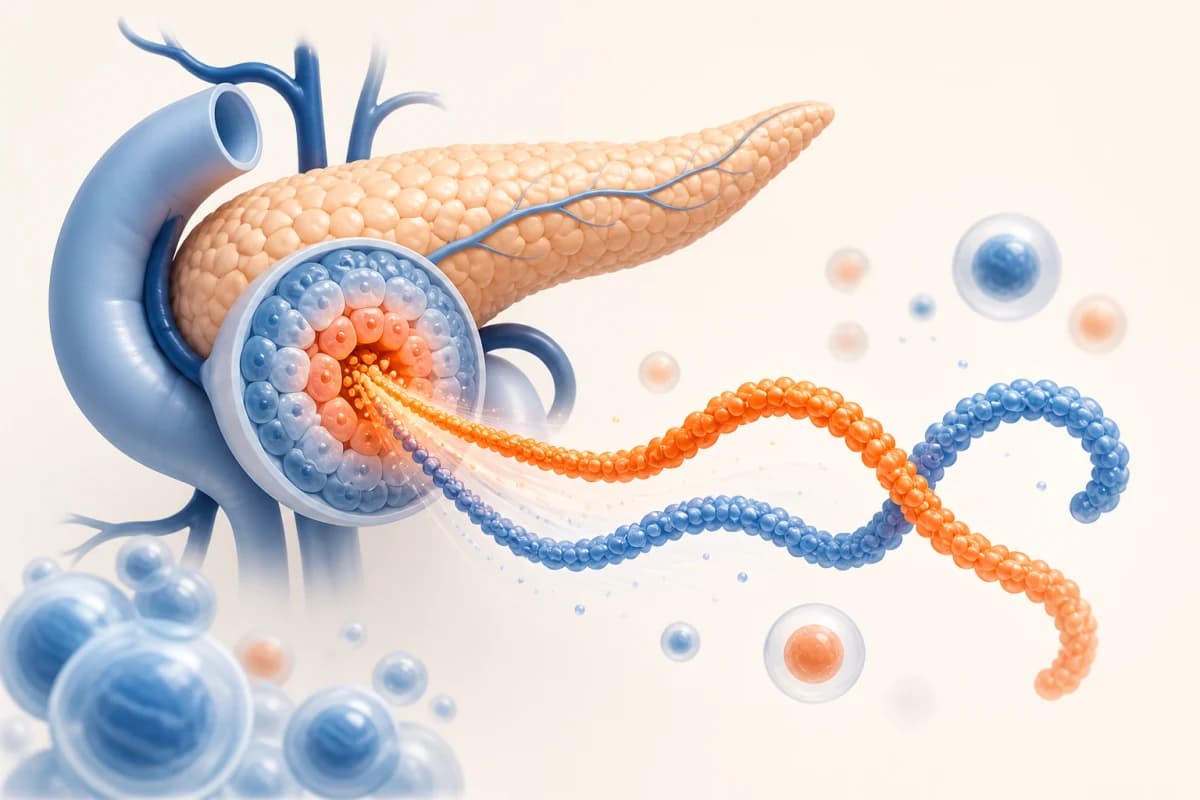 Blood tests and biomarkers.C-Peptide Blood Test: Meaning, Units and Context16 minute read
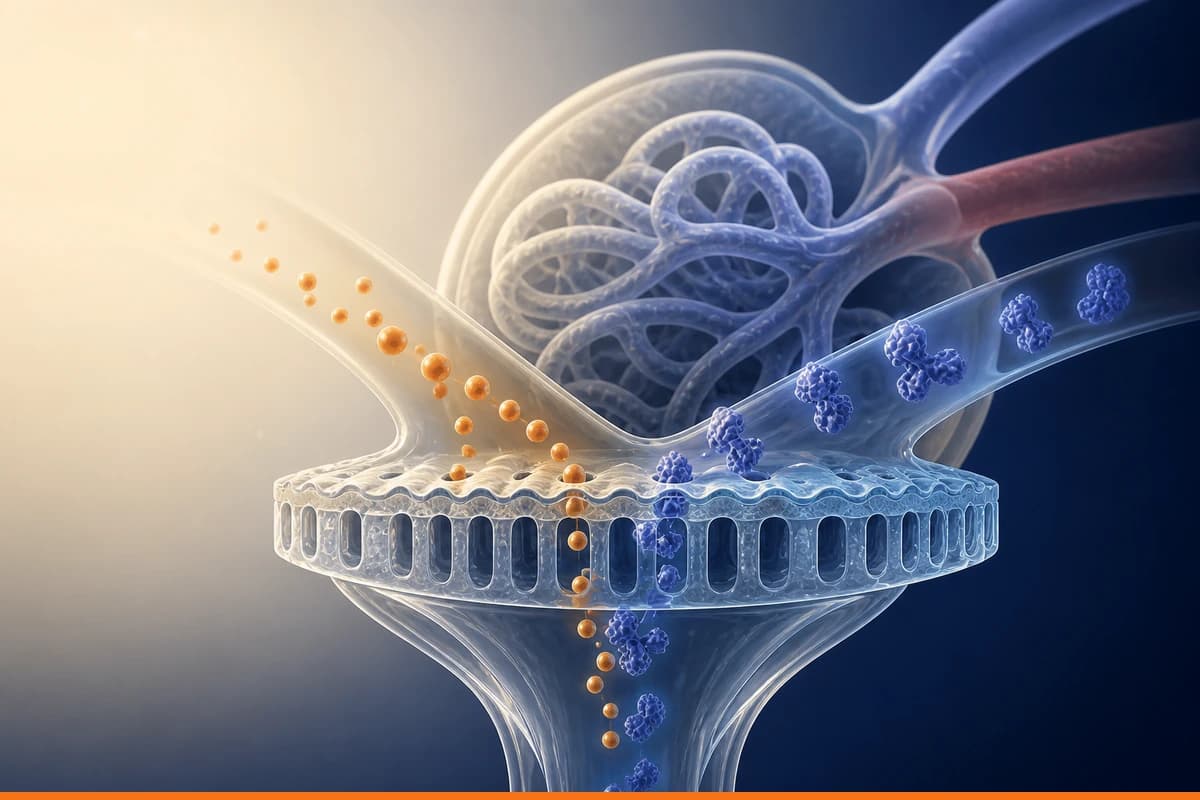 Blood tests and biomarkers.Cystatin C Blood Test: eGFR, Results & Limitations15 minute read
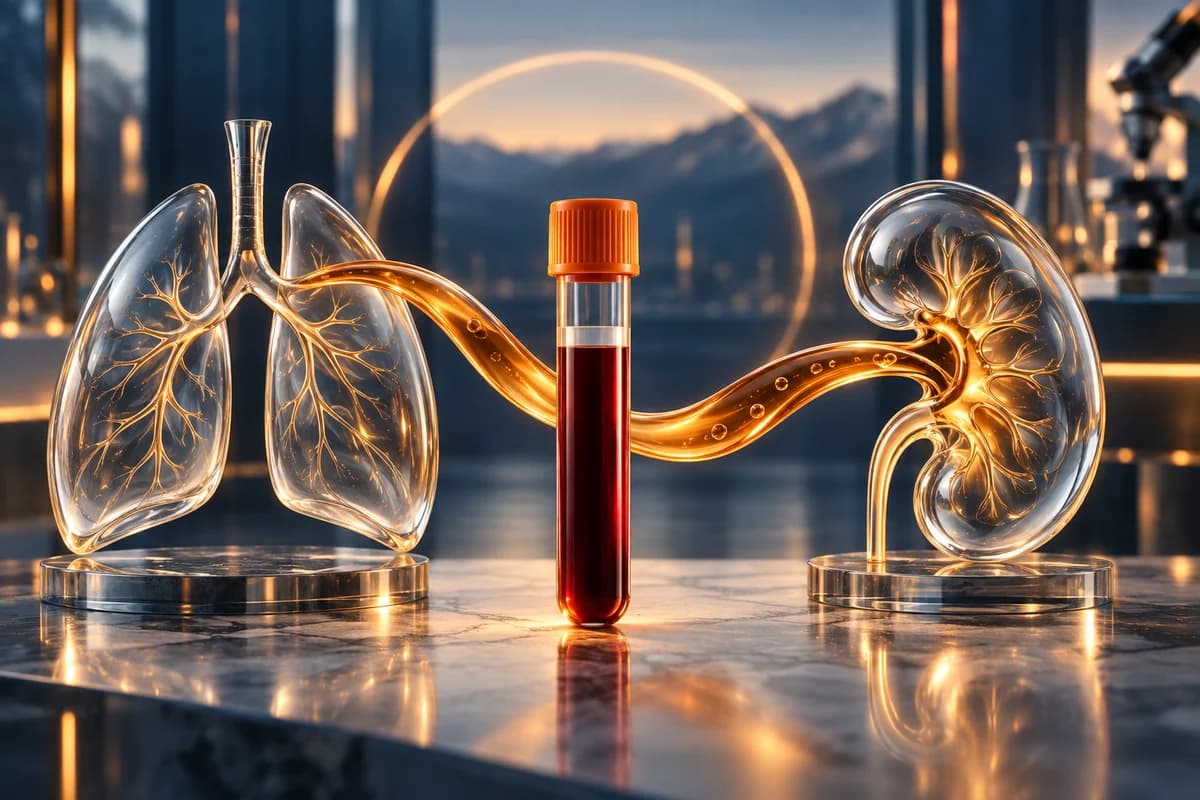 Blood tests and biomarkers.Bicarbonate (Total CO₂): High & Low Results16 minute read
 Blood tests and biomarkers.ALT Blood Test: High, Low, Ranges & What It Means18 minute read
 Blood tests and biomarkers.Calcium Blood Test: Total vs Ionized, High and Low13 minute read
 Blood tests and biomarkers.Magnesium Blood Test: Low, High, Limits and Meaning13 minute read
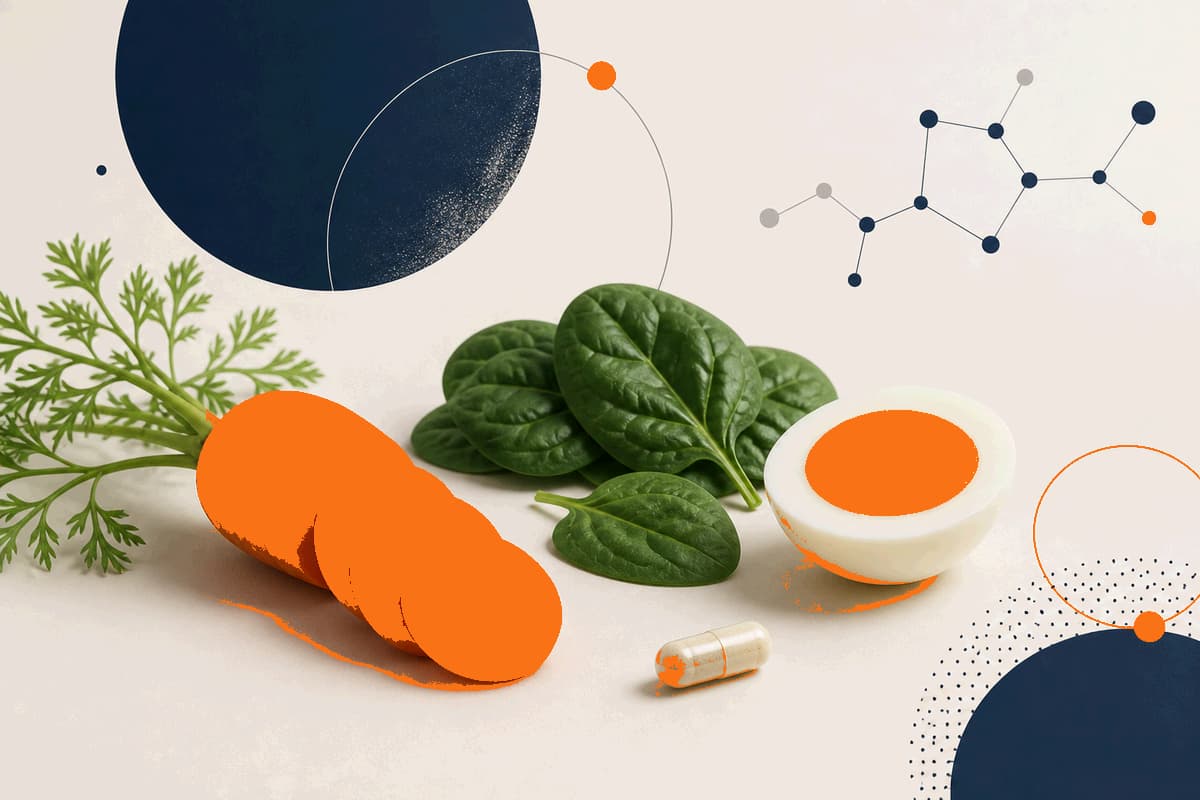 SupplementsVitamin A: Benefits, Dose, Retinol, Beta-Carotene & Safety | LongevityMate38 minute read
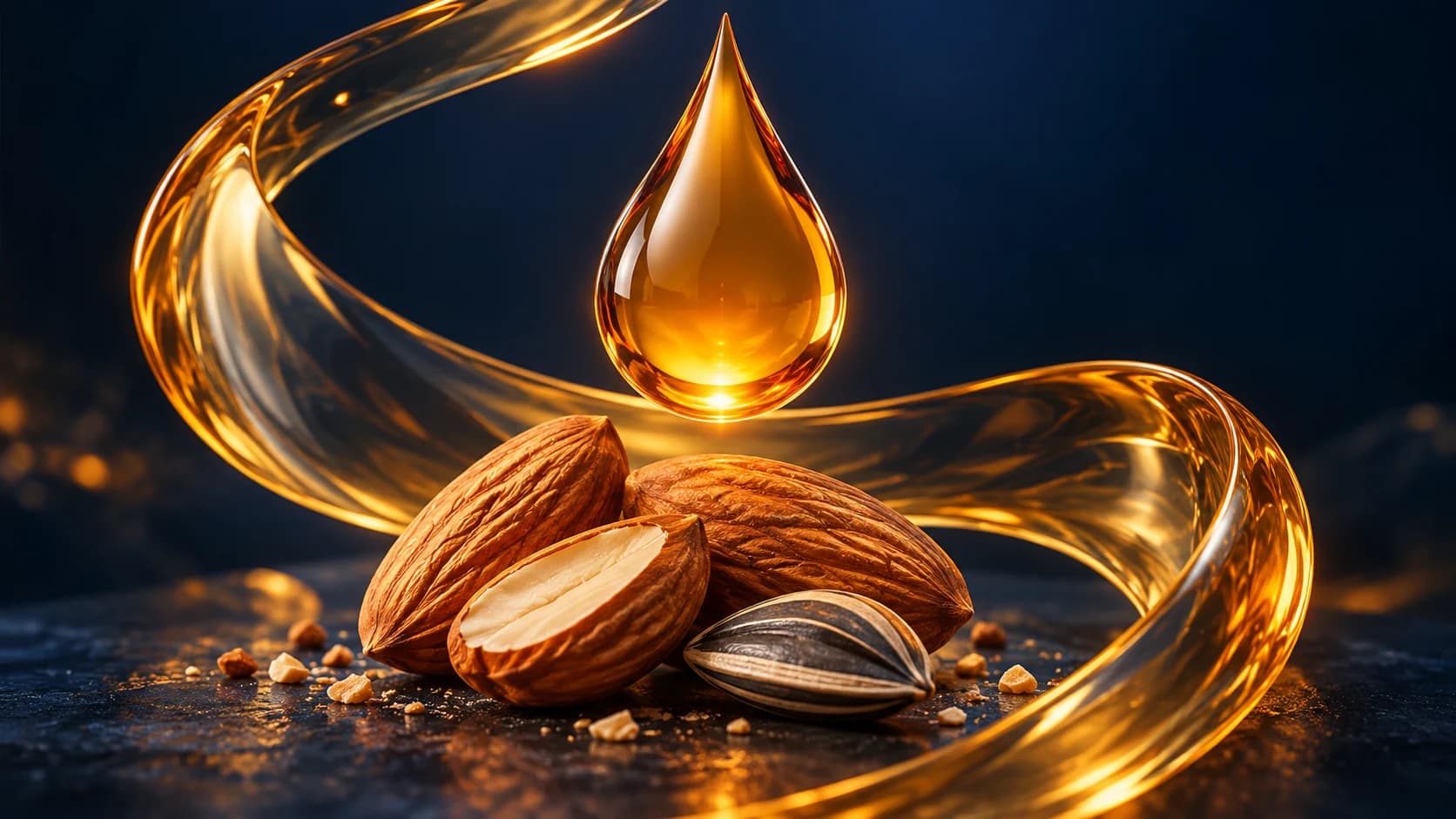 SupplementsVitamin E Supplements: Evidence, Label Units and Safety5 minute read
 Blood tests and biomarkers.24-Hour Urine Protein: Test & Results14 minute read
 SupplementsAlpha-Lipoic Acid: Neuropathy Evidence, Forms, Dose & Safety16 minute read
 SupplementsPsyllium: Benefits, Dose, Cholesterol & Safety | LongevityMate32 minute read
 SupplementsRiboflavin: Migraine Dose, Benefits, R5P & Safety | LongevityMate35 minute read
 Blood tests and biomarkers.Uric Acid Blood Test: High Results, Gout and Meaning13 minute read
 SupplementsBerberine: Benefits, Dose, Weight Loss & Safety | LongevityMate38 minute read
 SupplementsLutein Supplements: Eye Evidence, Dose, Food Sources and Safety16 minute read
 Blood tests and biomarkers.Total Protein Blood Test: High, Low and A/G Context13 minute read
 Blood tests and biomarkers.UACR Test: Urine Albumin-Creatinine Ratio Explained14 minute read
Explore more
Other Learn areas


Our standard
See how LongevityMate grades evidence
We separate established findings from promising research, uncertainty and unsupported claims. Every published guide links to its sources and explains its limits.