
What food and supplement evidence can tell you
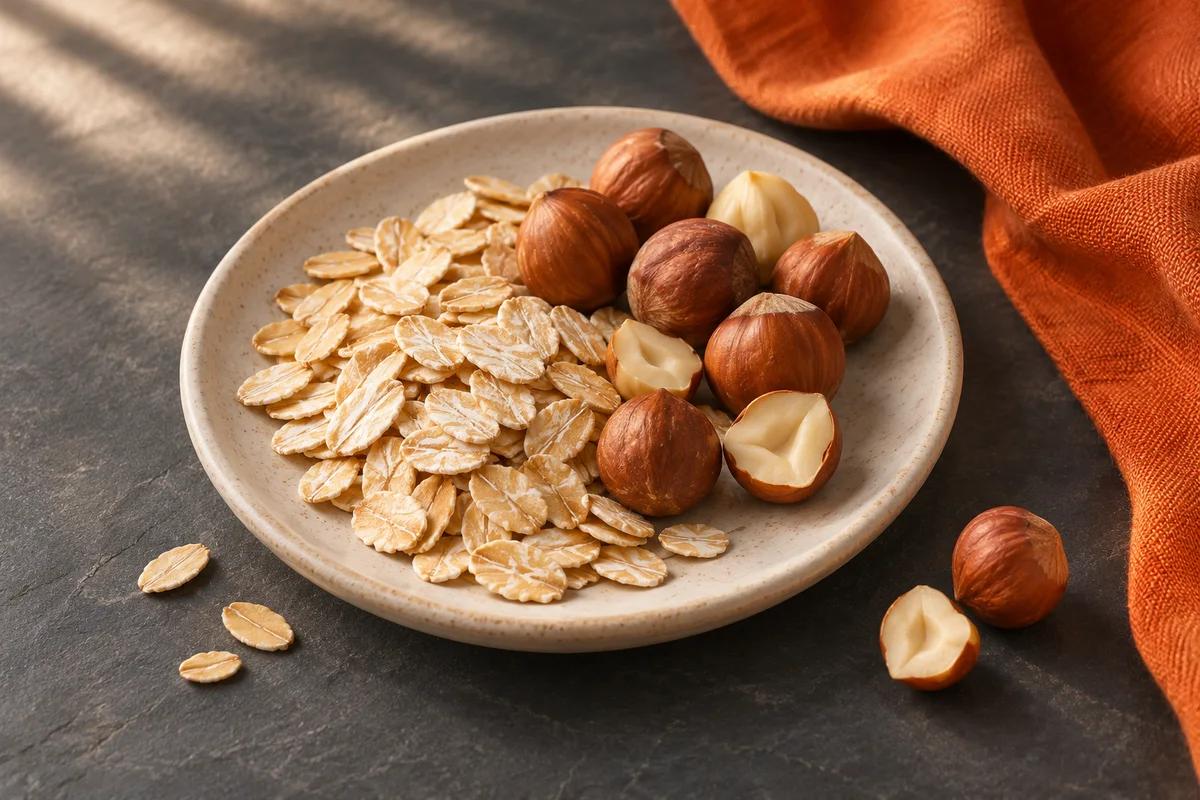
Whole grains, nuts and legumes can provide manganese. Magnesium is a different mineral. On labels, compare the milligrams of manganese per serving even when the ingredient is listed as a compound, such as manganese gluconate or manganese sulfate. There is too little evidence to rank the forms by how well the body absorbs them.See reference 1,See reference 4
What the bone study did and did not test
- Question
- Does a mineral blend affect bone density?
- What researchers studied
- A two-year trial included 59 older postmenopausal women. One group received calcium and trace minerals including 5 mg manganese daily.
- What you can conclude
- Spinal density did better in the combined group than with placebo.See reference 1,See reference 3
- Question
- Was manganese responsible?
- What researchers studied
- The trace minerals included zinc and copper, and the combined group also received calcium.
- What you can conclude
- This cannot isolate manganese or establish that manganese prevents fractures. The study amount is not a dose recommendation.See reference 1,See reference 3
Two adult safety values with different meanings
- Authority
- United States Food and Nutrition Board
- Value for adults
- 11 mg/day upper limit for ages 19 and older.
- What the value means
- An upper limit for usual total intake. It is not an intake goal.See reference 1
- Authority
- European Food Safety Authority
- Value for adults
- 8 mg/day safe level of total intake for adults.
- What the value means
- EFSA could not set an upper limit. The safe level does not identify the point where harm begins.See reference 2
Check the milligrams across products
Look at the serving size and the amount of manganese in each product. For example, 2 mg in a multivitamin plus 3 mg in a joint blend adds up to 5 mg from those supplements, before counting food. The upper reference values above apply to total intake, not just the amounts on bottles.See reference 1,See reference 2,See reference 4
Excess manganese can harm the nervous system. People with chronic liver disease can have more trouble clearing it. NIH lists no known clinically relevant medicine interactions, but that does not remove risks from excess intake or from other ingredients in a blend. If you have liver disease or are comparing products for a child, ask a healthcare professional before adding a supplement.See reference 1,See reference 2,See reference 4
Common questions
Can I use the upper limit as my target?
No. A safety reference is not a recommended intake and does not show that more would help. Look at your usual food and all sources before considering a supplement.See reference 1,See reference 2
Is manganese the same as magnesium?
No. The names look similar, but a label listing manganese is reporting a different nutrient. Check the full ingredient name and its milligram amount.See reference 1,See reference 4
Get the weekly longevity brief
The week's best longevity research in plain English. Free, every Tuesday.
References
- 1. Manganese: Fact Sheet for Health Professionals
NIH Office of Dietary SupplementsOfficial guidance
- 2. Scientific opinion on the tolerable upper intake level for manganese: plain language summary
European Food Safety AuthorityOfficial guidance
- 3. Spinal bone loss in postmenopausal women supplemented with calcium and trace minerals
Strause et al., Journal of NutritionRandomized trial
- 4. Questions and Answers on Dietary Supplements
U.S. Food and Drug AdministrationOfficial guidance
Editorial transparency
- Published by
- LongevityMate Editorial
- Reviewed by
- Editorial evidence review (AI-assisted)
- Published
- Updated
Medical disclaimer
For general education. A qualified health professional can interpret your results and advise on testing, medicines or supplements.